
- Experiment
Last updated: 02.11.26
Digital memory
Recovering, preserving and reanimating born-digital collections
Explore State Library Victoria's efforts to recover and preserve our digital past, from obsolete disks, websites and software to experiments in emulation and long-term access.
Resources
| Title | Type | Author(s) | Tags |
|---|---|---|---|
| tutorial |
| ||
| dataset |
|
Glossary
Disk Imaging
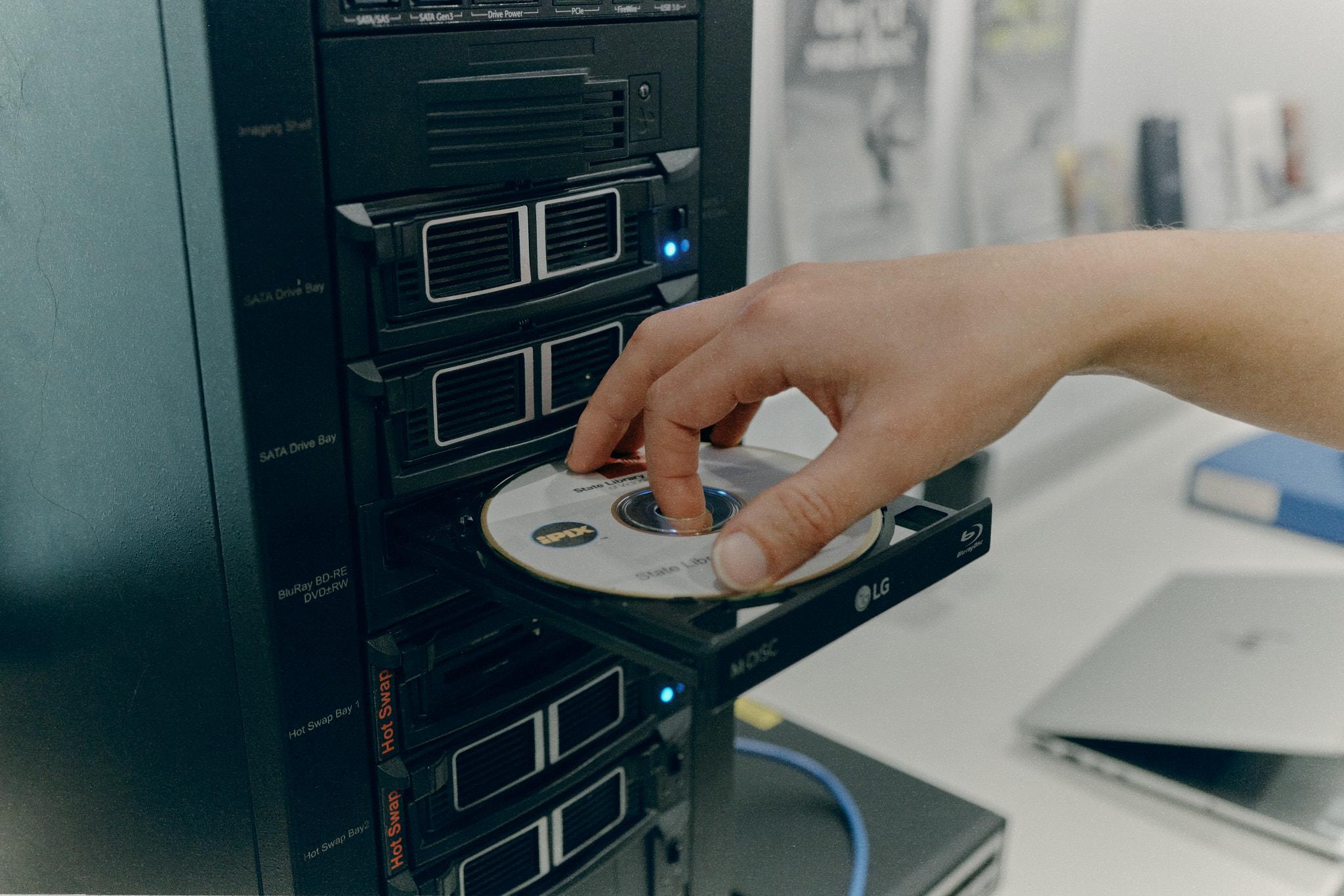
The process of creating a bit-for-bit, sector-level copy of a physical disc (e.g., CD, DVD, Blu‑ray, floppy, Zip, hard drive) into a single file (an “image”) that preserves the disc’s content, structure and metadata exactly as it exists on the original media. In libraries and archives, disc imaging is used to stabilise at-risk media, reduce handling of originals, retain authenticity and enable future access (including emulation) without depending on aging drives or software.
View Details ->Emulation
The use of software to recreate the behaviour of an older computer, operating system or device on modern hardware. Emulation allows obsolete software, video games and other digital objects to be accessed and experienced without altering the original files. It is an important digital preservation method for libraries, archives and museums, helping maintain access to digital collections that depend on outdated technologies.
View Details ->Born-digital
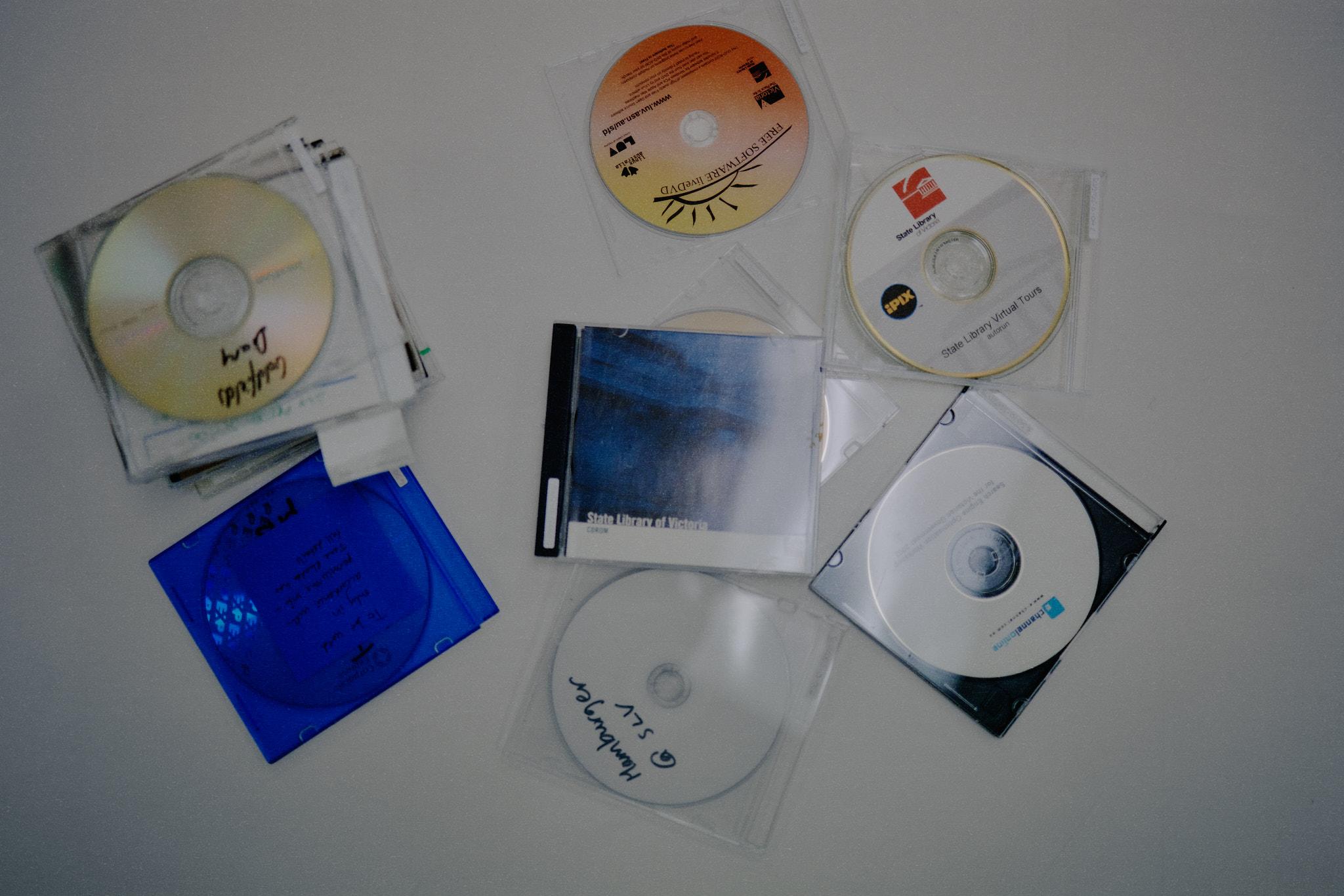
Digital content created in an electronic format rather than converted from a physical source. Examples include websites, emails, digital photographs and computer files. Born-digital material often depends on specific software, hardware or file formats, which can make ongoing access and preservation difficult as technology changes.
View Details ->Java applet
A small program written in the Java programming language and designed to run within a web browser. Java applets were used to add interactive features to websites, particularly during the 1990s and 2000s. Modern browsers no longer support them, so specialised software or emulation may be needed to access them today.
View Details ->AusEaaSI
An Australian network that helps libraries, archives, galleries and museums preserve and access older software and digital content. AusEaaSI (Australian Emulation as a Service Infrastructure) uses emulation to recreate obsolete computer systems on modern devices, allowing material that depends on outdated software or operating systems to remain accessible for research, interpretation, and display.
View Details ->